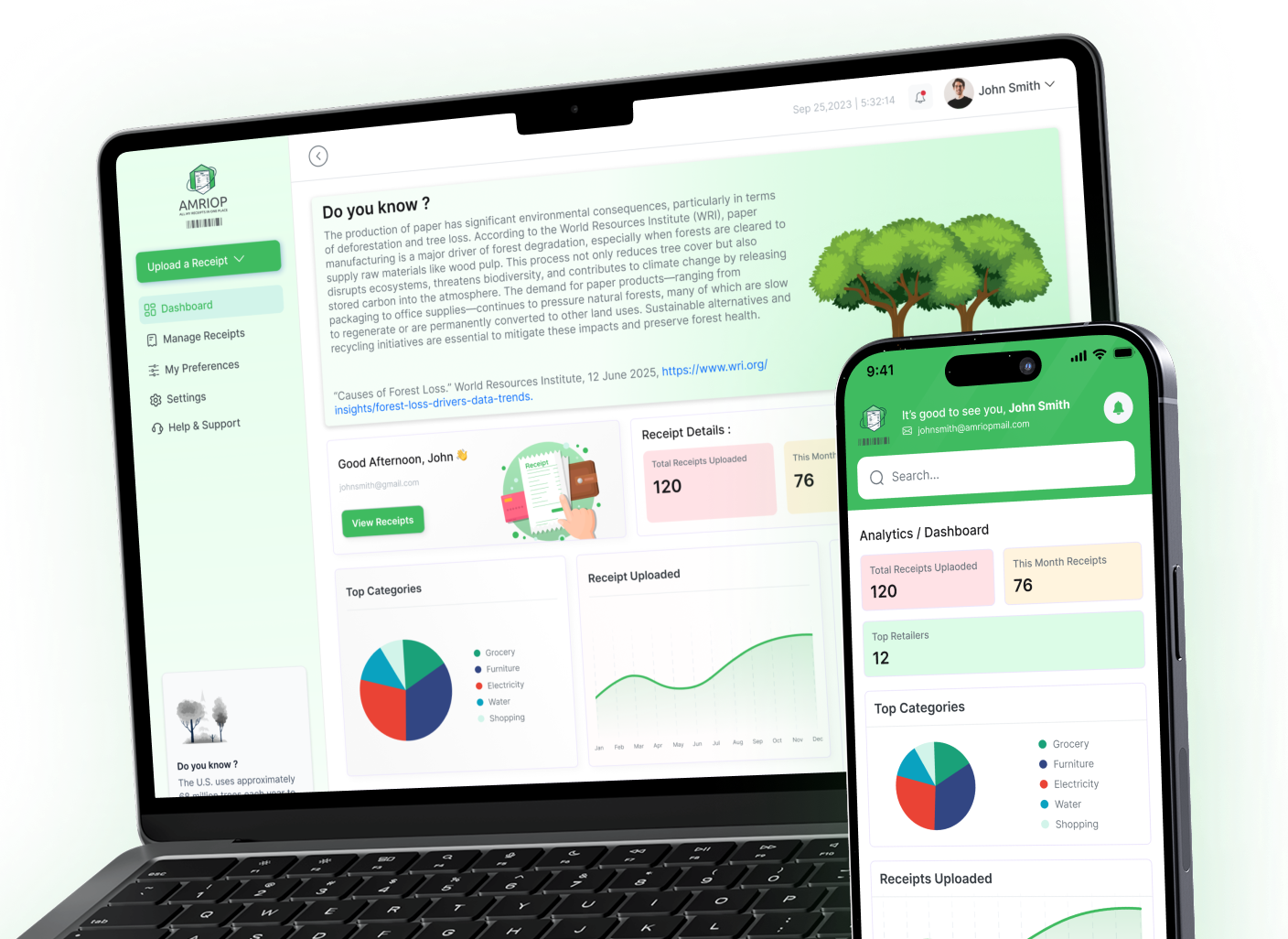
How Long Should You Keep Receipts? A Complete Guide
Learn how long to keep receipts for taxes, warranties, returns, and expenses, plus simple ways to store and organize important receipts digitally.
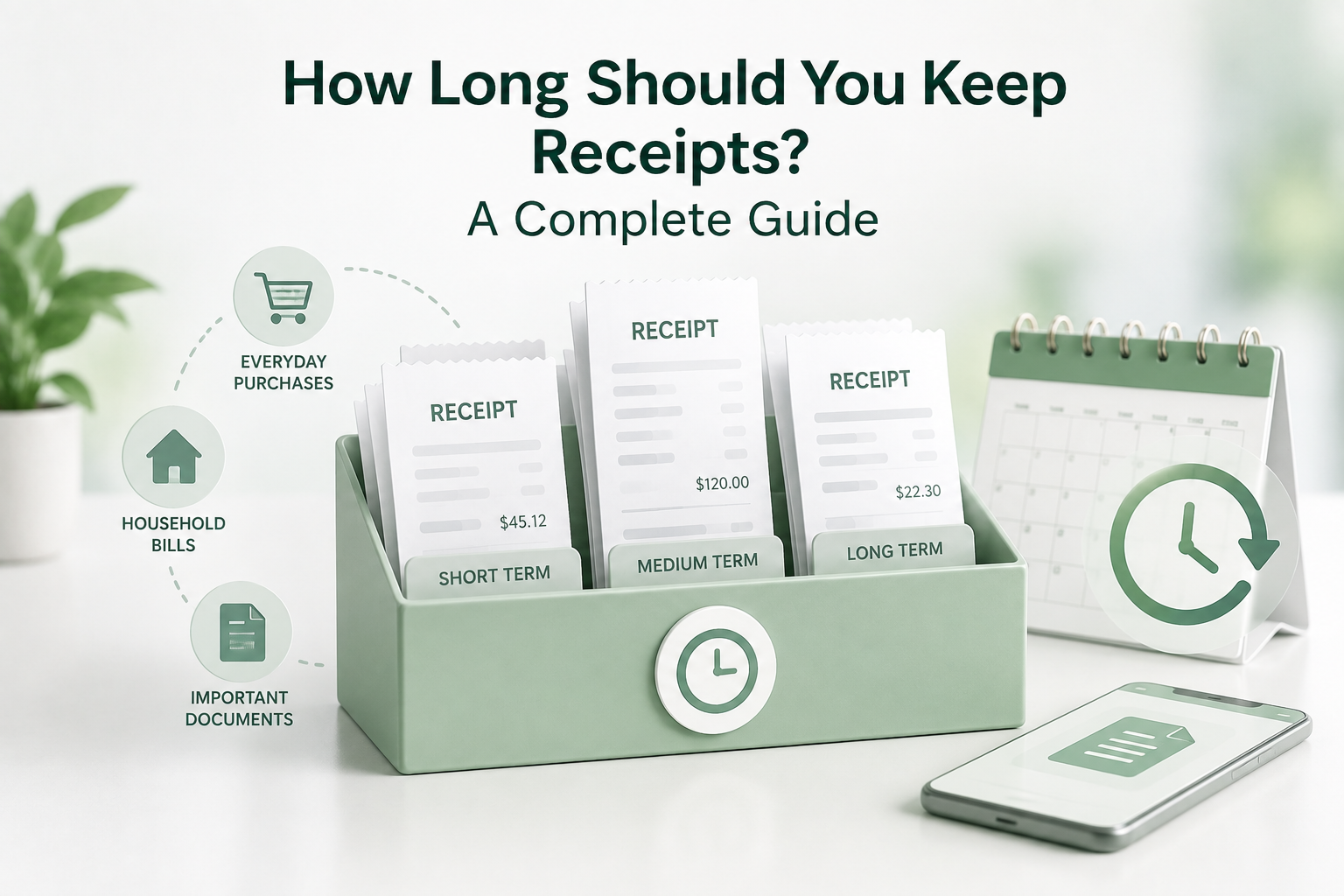
How long you must keep receipts is contingent on the purchase. The receipts you receive for groceries and fast food items can be removed after confirming the statement. Receipts from electronics, appliances, as well as tax-related purchases must be saved for the duration of the warranty, or the time required to keep financial records. Digital storage makes managing receipts over the long term considerably simpler.
The majority of people fall into one of two categories: either they throw away every receipt as soon as they leave the shop, or they put them in an unorganized drawer until it's stuffed with smudges and creased papers that they will never locate when they require them. The latter method isn't very effective.
Knowing which receipts to save and for how long lessens stress and also protects you in the event of a problem. In the event of a lost receipt, it could be a disaster. Incorrect time could result in an unanswered warranty request, rejected return, or even scrambled expense records. The positive side? A simple method can stop all of this.
This guide will explain precisely how long you need to keep different kinds of receipts, which types can be safely tossed out and the best way to make the entire process simpler with the help of digital storage.
Why Keeping Receipts Actually Matters
Receipts can be dismissed as a nuisance, but they have an important purpose in a variety of scenarios:
- Exchanges and returns for goods: Many retailers require receipts to process a return, particularly after a couple of days.
- Manufacturers handle guarantee claims. Generally, they require proof of purchase before processing the warranty.
- For insurance claims, if you need to make a claim in the event of an item that has been stolen or damaged, receipts are a good way to establish the value.
- Tax documents: Certain purchases may be tax-deductible, depending on your specific situation. Talk to a tax professional, or consult your country's tax regulations for specific requirements for keeping records.
- Budgeting and tracking expenses: Receipts provide you with an exact record of the place the money you spent went.
- A credit card or bank statement can help document a transaction, but it may not contain all the details needed to support a return, warranty claim, insurance claim, or other purpose. Keep additional documentation when appropriate. A receipt can provide the details that retailers and banks need.
The purchase type determines the length of time that a receipt has to remain in its possession. Coffee receipts and appliance receipts aren't the same category, and they're not even close.
How Long Should You Keep Different Types of Receipts?
| Receipt Type | Suggested Retention |
| Receipts from grocery stores | Up until you've verified the purchase on your credit card statement |
| Restaurant receipts | In the meantime, card statements must be confirmed |
| Fuel receipts | As long as the expense records aren't kept up to date |
| Purchases of clothing | The return period will continue until the time limit expires. |
| Electronics | The warranty will continue throughout the duration of the warranty. |
| Appliances | All through the warranty and service term if needed |
| Furniture | The warranty is still in force |
| Medical costs | For as long as it is needed to maintain personal or insurance records |
| Home improvement | Keep receipts and records for improvements that may affect your property's tax basis, as well as records that may be useful for insurance or other purposes. Tax-related property records may need to be kept for as long as the IRS requirements apply. |
| Purchases that are tax-related | The Local tax authorities' guidelines |
Retention times can vary based on specific circumstances. So make use of this table to get started instead of a strict rule.
Which Receipts Can You Safely Throw Away?
For purchases that are routine, throwing away receipts after verifying your bank account or your credit card statement is usually good. The paper that comes from the register should have an indefinite home in your file.
Receipts that have no long-term value are:
- Fast food and coffee purchases
- Parking receipts (once checked against your statement)
- Grocery receipts following confirmation of the amount
- Items of everyday clothing that are beyond the return window
- Every routine purchase and without a warranty
After you've checked them against your credit or bank card statements and everything appears good, you can generally consider discarding the receipts. There's one exception: If you're tracking expenses for business or executing the strict guidelines of your personal budget, small receipts could be relevant for a brief period.
Which Receipts Should You Keep Longer?
Certain purchases have greater stakes. These are receipts that are worth saving:
- Electronics: Electronics such as laptops, phones, tablets, and cameras may come with manufacturer warranties, but coverage periods and proof-of-purchase requirements vary. Keep the receipt for as long as the applicable warranty requires. Keep the receipt until the warranty expires.
- For appliances, consider keeping receipts for as long as the applicable warranty, extended service plan, insurance coverage, or other recordkeeping need makes them relevant. A receipt can be handy when you need to make servicing calls as well as extended warranties after.
- Furniture: Especially for high-end furniture that comes with quality assurances.
- Jewellery: It is useful for insurance purposes as well as the possibility of reselling.
- Medical bills: Keep them for as long as they're pertinent to personal insurance claims or health records.
- Recipients for home improvement If you believe that improvements add value to your house, these receipts are important when you decide to sell your property.
- Business expenses: Every purchase you intend to deduct from your tax returns requires documentation.
- Any purchase that comes with a guarantee as a rule, you should keep the receipt for the duration that the guarantee is valid.
Do Paper Receipts Last as Long as You Think?
A lot of important receipts, especially those from retailers -- are created on paper with a thermal ink that will fade over time. Inks can be non-readable after one or two years and even longer before the expiration date of a warranty.
Physical damage can make things more difficult. The effects of moisture, heat and general wear can render receipts unreadable sooner than you'd expect. Receipts that are left in a hot vehicle or exposed to water can be unusable before they're even required.
This is a serious issue. A warranty of five years on a product is useless even if the receipt has deteriorated in the second year.
Should You Scan Your Receipts?
Scanning receipts is among the most useful habits you can develop. Digital copies won't lose their value, don't occupy physical space and are searchable immediately. Other advantages include:
- Easy backup across multiple devices
- Simple sharing of reimbursements or claims for insurance
- The risk of losing them is low during a house or moving catastrophe
- Faster retrieval of information when you require it the most
An iPhone camera can be sufficient to start. Making a snap of an important receipt right after purchasing it--before the receipt has a chance to wear off--is an easy but effective habit. For more details on this topic, read the article How to scan receipts and Digitize Financial Records to keep track of your financial records.
Paper Receipts against. Electronic Receipts: What One is Best for long-term storage?
Paper receipts are great for purchases that only have to be confirmed once. If you're looking for something that could be needed in the future, months or even years, digital storage is more reliable.
| Feature | Paper Receipts | Digital Receipts |
| Durability | Fades over time | Doesn't cause physical damage |
| Storage space | Uses physical space | Cloud-based storage |
| Searchability | Manual search is required | Instantly searchable |
| The risk of losing | It is easy to lose | Accessible across multiple devices |
| Backup options | None of them without scanning | Automatic on most platforms. |
Find out more about the comparison of [Paper Receipts ] vs. Digital Receipts[PDF Receipts vs. Digital Receipts.
How to Organize Receipts So You Can Find Them Fast
A well-organized system for organizing means getting what you require in a matter of seconds, not days. The most common methods of organizing receipts include:
- By year: Suitable to record tax information
- By category: Groceries, electronics, home improvement, medical
- by retailer: Group everything from one store
- In accordance with warranty status By warranty status: Flag receipts for items that are still covered
- A family member can be helpful to track household expenses shared by the family.
The type of category is not as important as the consistency. Choose a system that you like and stick with it.
A Simple Receipt Retention Workflow
To build a habit, you need discipline. Here's a simple process that prevents receipt management from becoming an obligation:
- Receive the receipt
- Consider whether it's important, whether it's a regular purchase or one with a return time or warranty importance.
- Digitalize, if needed: Scan or take a photo of receipts that are worth keeping
- Place all your items in one place. Don't divide receipts into photographs, email, and paper folders
- Review every year: Clean out any items that are no longer needed
When this is routine, it will take less than one minute per receipt.
Make Receipt Storage Part of Your Routine
Receipts are much easier to keep when everything is in one location. Searching through email inboxes, photo galleries, and paper folders is slow and frustrating--especially during a warranty claim or return.
AMRIOP (All My Receipts in One Location) is a receipt management software that allows you to organize scanned receipts as well as electronic receipts into one central place. Users can make folders according to category or store name, as well as the location, making it easy to locate the necessary records to track returns, warranties and expense tracking, as well as the management of personal finances. AMRIOP can also allow users to keep membership cards and coupons as well as receipts that can be sent directly by email or text when needed. AMRIOP uses security measures designed to help protect stored receipt data.
This method changes the storage of receipts from a recurrent scramble into a more routine practice.
Stop Letting Important Receipts Slip Through the Cracks
Not every receipt is worthy of long-term storage, but those which do deserve it are worth keeping. Receipts made of paper fade faster than warranties typically last. Digital copies are much easier to maintain, easier to locate, and less likely to fail in the moments they're needed most.
Begin by making small steps. The next time you purchase something that comes with a guarantee and you are able to do so, just spend 30 seconds taking a photo of the receipt and save it somewhere where it will be located. This one simple habit, if repeated over and over, will avoid the painful situations that result from the absence of documents.
Small steps today can save you from more serious problems later.
Frequently Asked Questions
Q: What is the best time to keep receipts for tax purposes?
Recommended dates for keeping tax-related records differ by country and tax circumstances. For U.S. federal tax purposes, the IRS generally recommends keeping records that support your tax return for three years, although certain circumstances require longer retention. For example, some records may need to be kept for six or seven years, while records relating to property may need to be retained longer. Check current IRS guidance or consult a qualified tax professional for your specific situation. However, you should always consult an expert in taxation or the tax authority in your area for specific advice tailored to your situation.
Question: Do you think it's acceptable to throw away receipts from paper after confirming your bank statement?
Yes, for purchases that are routine like food, groceries and coffee, rescinding receipts after checking your credit or bank statement is generally acceptable. Receipts from items that have warranties, return windows, or tax significance should be stored for longer.
Q Do digital receipts count to be used in warranty claims?
A lot of manufacturers and retailers accept receipts with digital images to prove purchase; however, policies differ by manufacturer and product. Always verify the warranty conditions before you decide if a digital copy of the receipt will be accepted.
Q: What's the best method of storing receipts for the long-term?
The digital storage system is much more reliable than paper in long-term receipt storage. Scan receipts and store them on a specific platform for receipt management, such as AMRIOP. This prevents loss, fading and clogging while making the records accessible from any device.
Q Which receipts shouldn't be thrown in the garbage?
Receipts for expensive items such as furniture, appliances, electronics or jewellery, as well as any purchase covered by an active warranty, must be retained for the duration of the warranty. Medical expense receipts as well as home improvement receipts might be worthwhile to keep in mind based on your particular circumstances.
Question: Do you require the original receipt in paper or is a photograph enough?
A clear photograph or scanned copy may be sufficient for some returns, warranty claims, insurance matters, and expense records, but requirements vary. For important purchases, check the applicable retailer, manufacturer, insurer, or tax-record requirements. However, manufacturer and retailer policies differ; therefore, it's important to verify specific conditions for purchases that are significant.
Q: How can thermal paper impact the longevity of receipts?
The paper used by the majority of printers for retail fades in time due to moisture, heat and exposure to light. Receipts that are printed using thermal paper could be unreadable after one to two years; this is a serious issue when purchasing items covered by warranties for a long period of time. The process of digitizing thermal receipts as soon as you make a purchase is the best method to keep them in good condition.
Q: Do I have to manage coupon codes and cards for membership in addition to my receipts?
Yes. Platforms like AMRIOP permit users to save coupon codes and loyalty cards at the same central place as receipts, making it simpler to find all of the information at checkout or during returns, without having to look through different apps or wallets.
Disclaimer: The information provided in this blog is for general informational purposes only and reflects the writer’s opinions. It should not be considered legal, tax, financial, or other professional advice. Readers should consult a qualified professional for advice specific to their circumstances.
Related Blogs
View all the related blogs from here
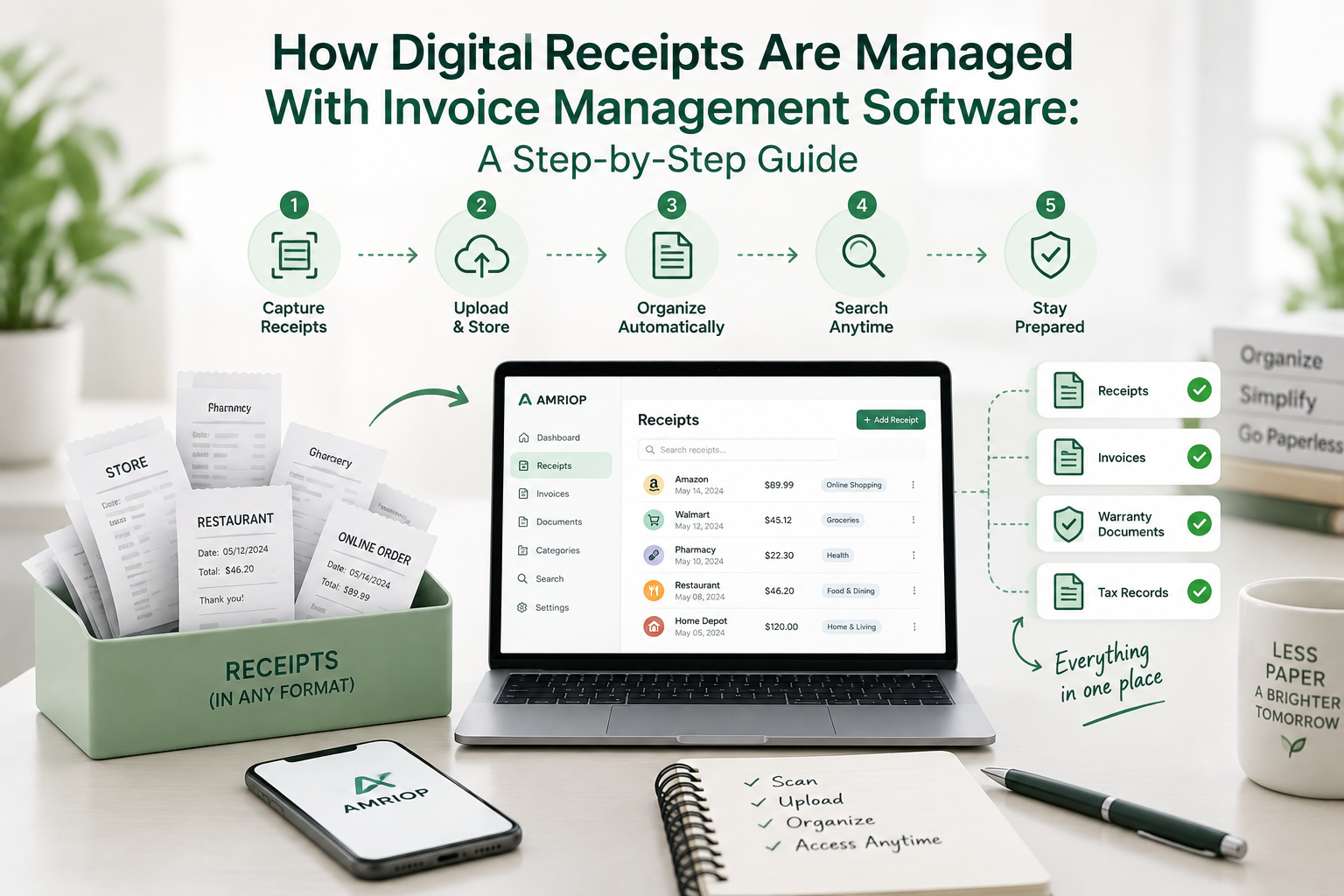
How Digital Receipts Are Managed With Invoice Management Software: A...
Learn how digital receipts are managed with invoice management software, from capturing and organizing receipts to automating storage and improving record keepi...
 Uploaded on 17 Sep 2026
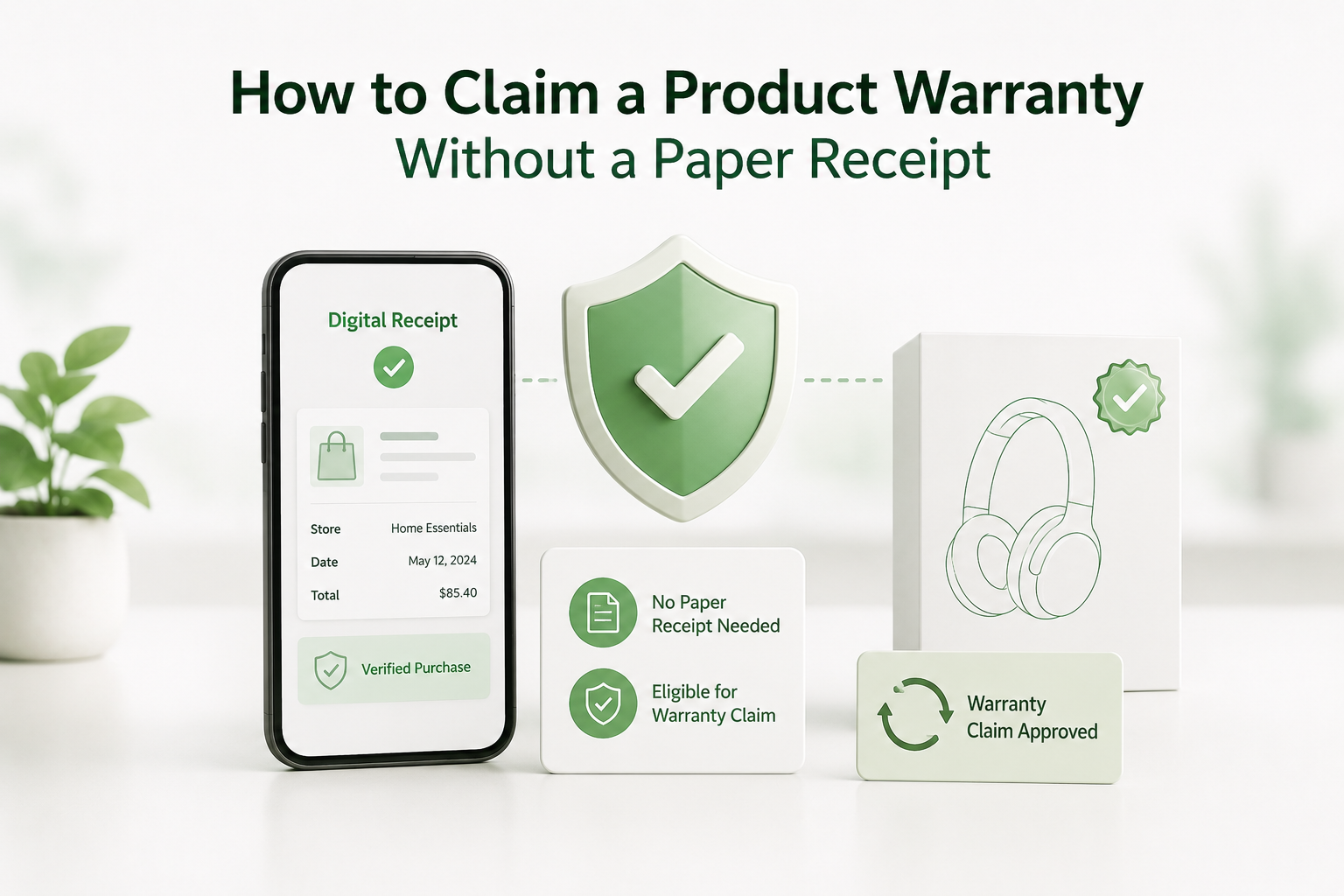
How to Claim a Product Warranty Without a Paper Receipt
Lost your receipt? Learn how to claim a product warranty using alternative proof of purchase and prevent receipt loss in the future.
Uploaded on 18 Jun 2026
Digital Receipt Security: How to Keep Your Purchase Data Safe
Learn how to protect digital receipts, secure purchase data, and choose a receipt management platform that prioritizes privacy and security.
Uploaded on 18 Jun 2026
Start Your Paperless Journey
At Amriop, we’re more than an invoice management software, we’re building a smarter, more sustainable way to handle digital receipts. Whether you want to manage eReceipts more efficiently, adopt electronic receipts to reduce waste, or use secure digital receipt storage, Amriop offers a receipt organizer and receipt management system designed for everyone.
Go Paperless Now